

- 60min
- free
- 10+
- English, Estonian, Finnish, Italian
Description
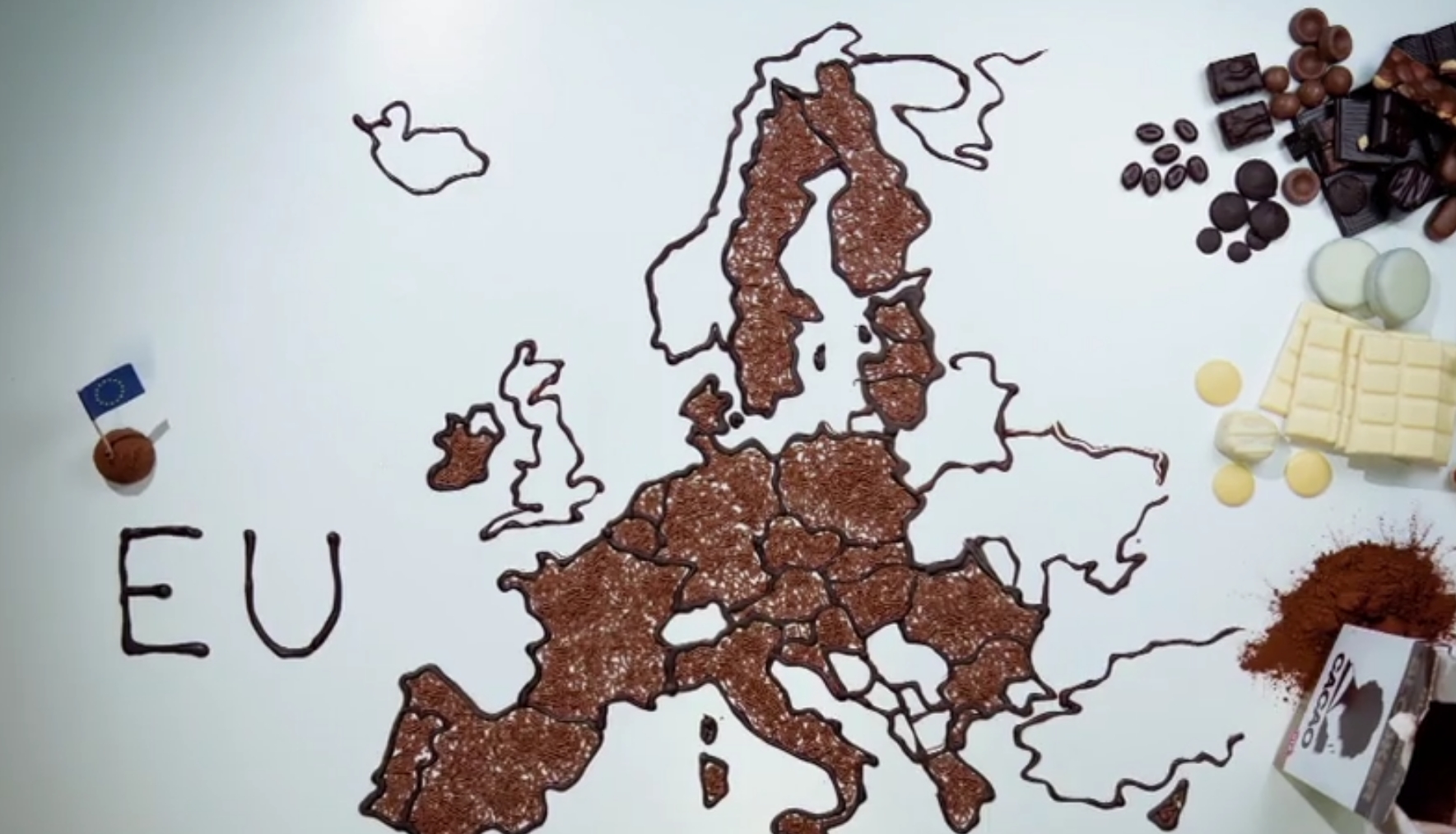
Role-play EU decision-making is a game aimed at school classes, student associations, groups of employees and anyone else who wants to better understand the EU’s democratic decision-making process. The role-playing game is a perfect introduction to a larger EU project or as a standalone activity.
Students play the part of ministers from EU member states. On one hand, they need to take their national interests into consideration. On the other, they should allow the European legislative process to run smoothly. The aim of the meeting is to reach a decision on the legislative proposal concerning the ingredients in chocolate. The proposal will only be adopted if both the Council of the European Union and the European Parliament agree on the definitive wording. During the meeting, the European Parliament informs the Council of its position regarding the Chocolate directive.
Method & Activity Information.
- Difficulty:
- Session location:
- Test date:
- Duration: 60min
- Costs: free
- Materials used:
- Youth participated:
- Registration: none
How useful was this post
Click on a star to rate it!
Average rating 0 / 5. Vote count: 0
No votes so far! Be the first to rate this post.
We are sorry that this post was not useful for you!
Let us improve this post!
Tell us how we can improve this post
Related methods
60min
20+
English, Bosnian, Estonian, Finnish, Italian
A fun team-building energiser that encourages groups to recreate the scavenger hunt experience in a fully [...]
120min
unlimited
English, Italian
The Treasure Hunt was an educational game focused on Human Rights. Seven teams of children took [...]

unlimited
English
Spinach AI is a meeting documentation and collaboration method that uses artificial intelligence to automatically capture, [...]