

- 60min
- free
- 20+
- English, Bosnian, Estonian, Finnish, Italian
Description
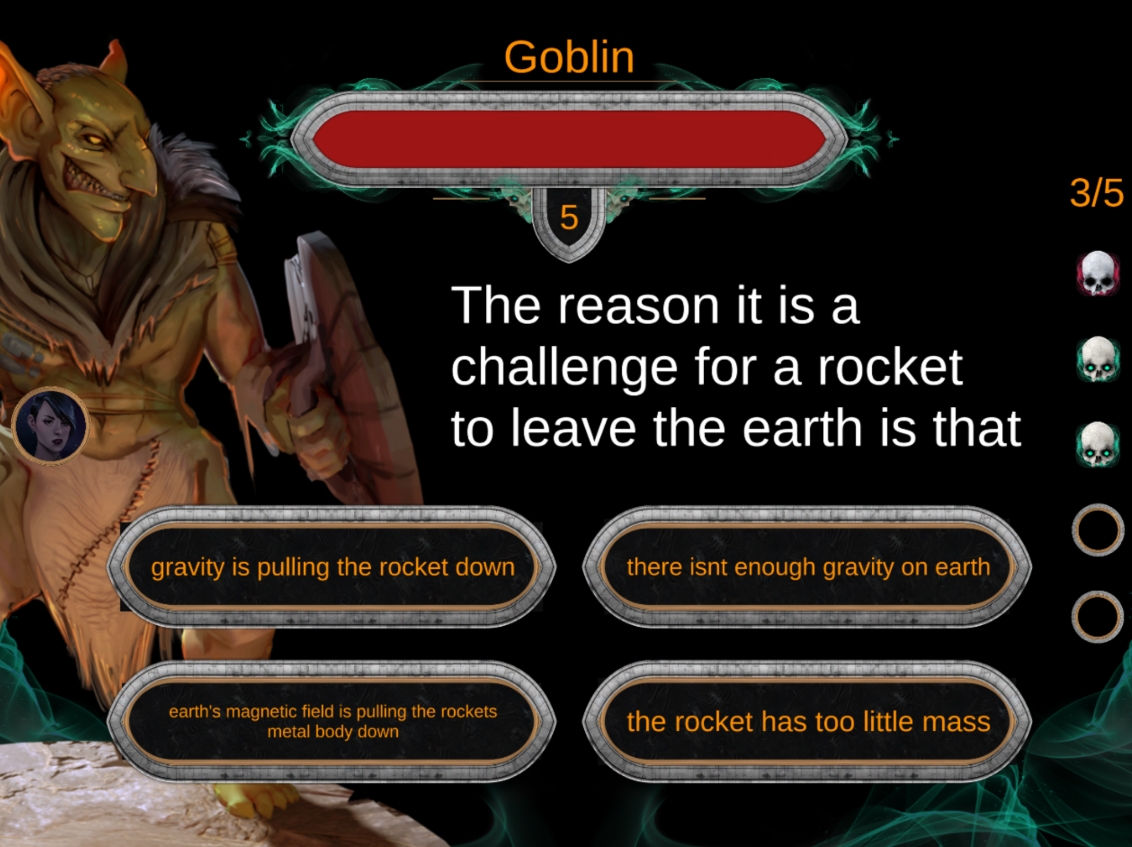
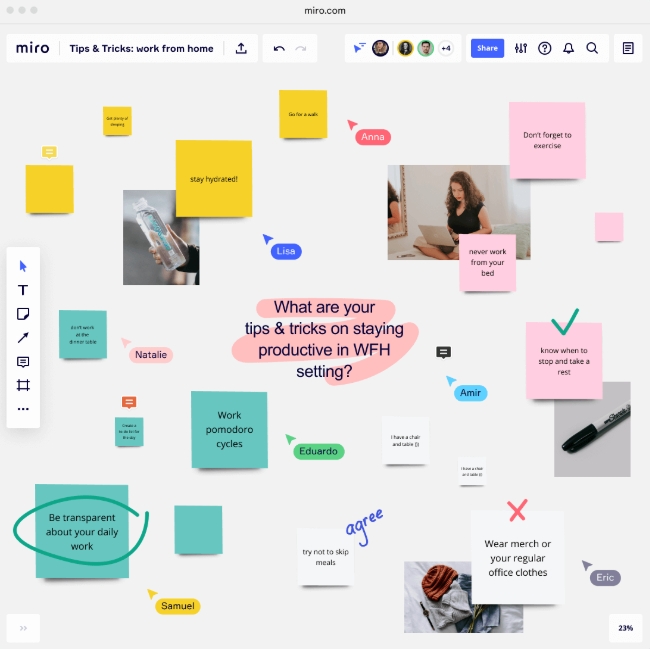
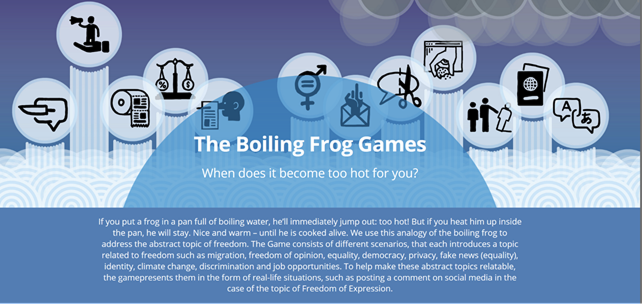
The Boiling Frog Game is an online role-play simulation that aims to raise awareness about how gradual changes in society – especially those affecting rights and freedoms -may go unnoticed until it’s too late. Participants are led through a series of incremental changes to rules, space, and behavior to reflect how liberties can slowly erode if people are not aware or vigilant.
Method & Activity Information.
- Difficulty: Medium
- Session location: Hybrid
- Test date: 14/01/2025
- Duration: 60min
- Costs: free
- Materials used: Computers, phones, interactive white board / virtual meeting room, actforliberty.eu website
- Youth participated: 40
- Registration: none
Case Description
Case 1
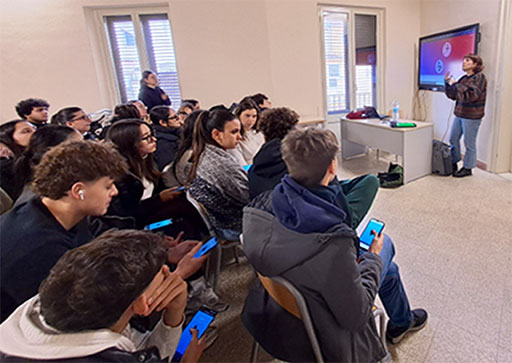
The activity was conducted on January 14th, 2025, and February 11th, 2025. Students participated in structured discussions facilitated by educators and engaged in guided debates, personal reflection, and group discussions. The session included real-life case studies to deepen students’ understanding of freedom and human rights.
- Stakeholders: Students (14-19 years old), teachers, and facilitators
- Problems: Some students found the activity less engaging or struggled with certain complex topics. A few participants expressed the need for deeper exploration of specific issues.
- Topic & themes: Human right: Personal freedom, Migration and social justice, Empathy and critical thinking.
Case 2
This session took place during a multiculturality themed online lecture for youth studying youth work at Tallinn University. The simulation slowly introduced increasingly restrictive rules (e.g., limited speech, movement, or expression) under different guises with the metaphor of the boiling frog. The debrief revealed how quickly participants accepted new norms and how difficult it was to identify the tipping point.
- Stakeholders: Youth organizations, educators
- Needs & requirements: Methods to teach youth about vigilance in democratic societies
- Problems: Lack of awareness of gradual social/political change
- Topic & themes: Democratic awareness, civil liberties, critical thinking
Method Usage
Case 1
- Context: Educational
- Country & City: Italy, Palermo
- Language: Italian
- Target Group: Students aged 14-19
- Purpose and Reason to Choose This Method: To stimulate discussion and reflection on fundamental human rights and social issues in an engaging, interactive way.
- Description how the session was arranged: In classroom
Case 2
- Context: Educational
- Country & City: Estonia, Tallinn
- Target group: University students
- Purpose & reason to choose this method: To teach participants how liberties can be eroded without overt conflict, using experiential learning.
- Description how the session was arranged: A short introduction was given, followed by the simulation.
- Brief description of the session results: Participants were surprised at how easily they complied and discussed how this parallels real-world examples. Some described a sense of discomfort that helped deepen the learning.
Method & Activity Feedback
The activity is very interesting; it succeeds in capturing the students' attention from the very beginning thanks to the use of smartphones and the interactivity of the platform. The reflections that pop up between questions ignite a very interesting debate, starting with the “lighter” questions to slowly put more and more difficulties of choice to those who try to identify and empathize deeply with the topics discussed.
I would recommend using it with teens 17 and older, as it is more interesting as more knowledge and awareness of politics and active citizenship there is in the participants, but it succeeds in lighting up attractive debates and reflections even in teens of lower ages.
Facilitator
Category
Likert-7 AVG
Description
Effectiveness
6
How well the method supported learning and allowed flexible adjustments to improve outcomes.
Efficiency
6.0
How smoothly the method functioned in the given setting (online or physical), with minimal issues.
Learnability
6.0
How easily the method could be understood and tailored to different participant groups.
Enjoyability
6.0
The facilitator’s and participants’ enjoyment, including engagement through gamified elements.
Adaptability
6.6
The facilitator’s ability to modify the method to suit participant needs and session dynamics.
Feedback (recommendation)
6.0
The facilitator’s confidence in recommending the method and their belief in its value for future use.
Observer
Category
Likert-7 AVG
Description
Engagement & Participation
6.0
All participants stayed engaged, even those usually reserved..
Comprehension & Knowledge
6.1
Participants demonstrated strong post-session reflection.
Game Mechanics & Functionality
5.0
Smooth simulation dynamics; clarity improved over time.
Participant Experience
Category
Likert-7 AVG
Description
Enjoyment
5.5
Participants appreciated the twist and reflection.
Usability
6.1
Clear instructions; engaging.
Learnability
5.7
Most would recommend to peers interested in civic topics.
Recommendation score
5.4
Positive
The method successfully engaged students in meaningful discussions.
It provided a safe space for expressing opinions and reflecting on personal freedom.
Many students developed a deeper awareness of social issues.
The observer noted that this method sparks a lot of discussion on uncomfortable topics, while giving participants the safety of anonymity.
“It was very enjoyable to discuss topics with my classmates and compare our ideas.”
“This experience helped me understand different perspectives on personal freedom.”
“I was able to put myself in the shoes of people who risk their lives, and I felt empathy for them.”
“I think this activity was really valuable for raising awareness among students and allowing us to express our opinions.”
“I didn’t realize how fast I adapted to the new rules. It really made me think about real life.”
“It was a bit scary, but that’s why it worked.”
Negative
Some students found some aspects difficult to understand.
Some participants suggested that the format could be more interactive to maintain engagement.
Platforms do not always work well, sometimes the explanation between the questions is not working.
The observer noted that some games crashed when the language was changed from English.
“Some aspects were a bit confusing, and I would have liked more guidance.”
“I found certain parts of the discussion repetitive.”
“I wish we could have gone deeper into some topics.
“It was confusing before the debrief.”
“The game crashed during one playthrough, so we needed to restart it.”
Suggestions & tips
Encourage more interactive elements, such as role-playing or multimedia content, to enhance engagement.
Allow students to choose specific subtopics to ensure relevance to their interests.
Use small group discussions before larger debates to help shy participants contribute.
Prepare a clear debrief script. Consider checking in with more sensitive participants. Explain the game more thoroughly before launching.
How useful was this post?
Click on a star to rate it!
Average rating 0 / 5. Vote count: 0
No votes so far! Be the first to rate this post.
We are sorry that this post was not useful for you!
Let us improve this post!
Tell us how we can improve this post?
Related methods
unlimited
English, Bosnian, Estonian, Finnish, Italian
Spinach AI is a meeting documentation and collaboration method that uses artificial intelligence to automatically capture, [...]

English, Bosnian, Estonian, Finnish, Italian
Shadows is an RPG video game for teacher to gamify learning. Teacher creates a campaign gives [...]