


- 4h
- free
- unlimited
- English, Bosnian, Estonian, Finnish, Italian
Description
“To Vote or Not to Vote?” is a discussion-based simulation where participants are assigned either roles representing different societal viewpoints or fictional characters with varied motivations for voting or abstaining or they interview people on the streets and ask them about their motivations for voting or abstaining. The method is used to explore civic responsibility, understand voting behaviors, and discuss democratic participation. Participants reflect on systemic barriers, disinterest, and civic engagement in a structured setting.
Method & Activity Information.
- Difficulty: Medium
- Session location: Talinn, Estonia
- Test date: 15/04/2025
- Duration: 4h
- Costs: free
- Materials used: Paper, pencils, ideally a room to debrief
- Youth participated:
- Registration: none
Case Description
The session was carried out with high school youth during a civic education workshop. Participants were assigned to do a street interview in Tallinn city centre. The debrief consisted of discussing about the results, attitudes and challenges in voter turnout, including youth voter turnout.
Stakeholders: Educators, youth workers, civic NGOs
Needs & requirements: Increase awareness and motivation around youth voting
Problems: Low voter turnout among youth and perceived ineffectiveness of voting
Topic & themes: Political participation, youth engagement, voter education
Method Usage
Context: Youth civic education workshop
Country & city: Estonia, Tallinn
Target group: Young people aged 15–18
Purpose & reason to choose this method: To prompt self-reflection and debate about voting from different societal standpoints, allowing participants to see voting beyond personal experience
Description how the session was arranged: Participants were assigned to do a street interview in Tallinn city centre. The debrief consisted of discussing about the results, attitudes and challenges in voter turnout, including youth voter turnout.
Brief description of the session results: Many participants reported understanding new perspectives and realizing how personal and systemic factors influence voting behavior.
Method & Activity Feedback
Facilitator
Category
Likert-7 AVG
Description
Effectiveness
6
How well the method supported learning and allowed flexible adjustments to improve outcomes.
Efficiency
6
How smoothly the method functioned in the given setting (online or physical), with minimal issues.
Learnability
5
How easily the method could be understood and tailored to different participant groups.
Enjoyability
7
The facilitator’s and participants’ enjoyment, including engagement through gamified elements.
Adaptability
5
The facilitator’s ability to modify the method to suit participant needs and session dynamics.
Feedback (recommendation)
6
The facilitator’s confidence in recommending the method and their belief in its value for future use.
Observer
Category
Likert-7 AVG
Description
Engagement & Participation
6
All participants stayed engaged, even those usually reserved..
Comprehension & Knowledge
6.3
Participants demonstrated strong post-session reflection.
Game Mechanics & Functionality
6
Smooth simulation dynamics; clarity improved over time.
Participant Experience
Category
Likert-7 AVG
Description
Enjoyment
5.9
Participants found the method engaging and realistic.
Usability
6.2
Instructions were clear, and roles were easy to understand.
Learnability
6.1
Youth quickly grasped the complexity of voting behavior.
Recommendation score
6.0
Most participants would recommend this method to peers or educators.
Positive
The facilitator notes, that youth faced this challenge with fun. They made it into a competition of who gets more answers from the street interview, which made the data collecting fun and interactive.
Negative
The most of the energy will go on the data collecting and by analysing, the energy was a bit low to make conclusions of youth electoral behaviour.
Suggestions & tips
Ensure the characters are diverse enough and relatable. Debrief thoroughly to connect the simulation to real-world democratic processes.
Kui kasulik see postitus oli
Hinnangu andmiseks klõpsake tärnil!
Keskmine hinne 0 / 5. Häälte arv: 0
Hääli veel pole! Olge esimene, kes seda postitust hindab.
Kahjuks ei olnud see postitus Teie jaoks kasulik!
Aidake meil seda postitust parandada!
Kuidas saaksime seda postitust parandada
Related methods
120min
unlimited
English, Bosnian, Estonian, Finnish, Italian
World café is a method used for brainstorming multiple ideas. Four to five participants sit around [...]
90min
10-20
English, Bosnian, Estonian, Finnish, Italian
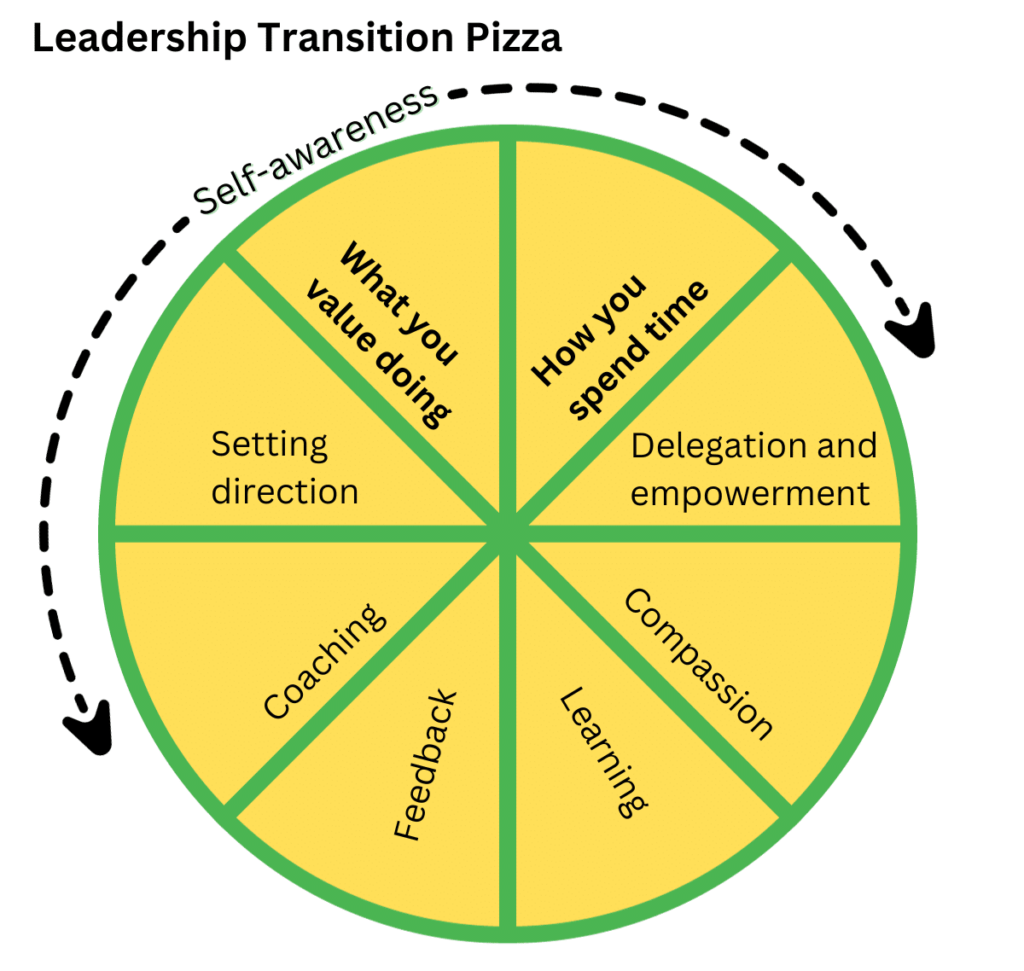
This game allows players to explore their potential leadership strengths by creating their pizza with “skill” [...]
45min
10+
Finnish
Maptionnaire is a participatory method for collecting location-specific insights and feedback using interactive, map-based questionnaires. In [...]